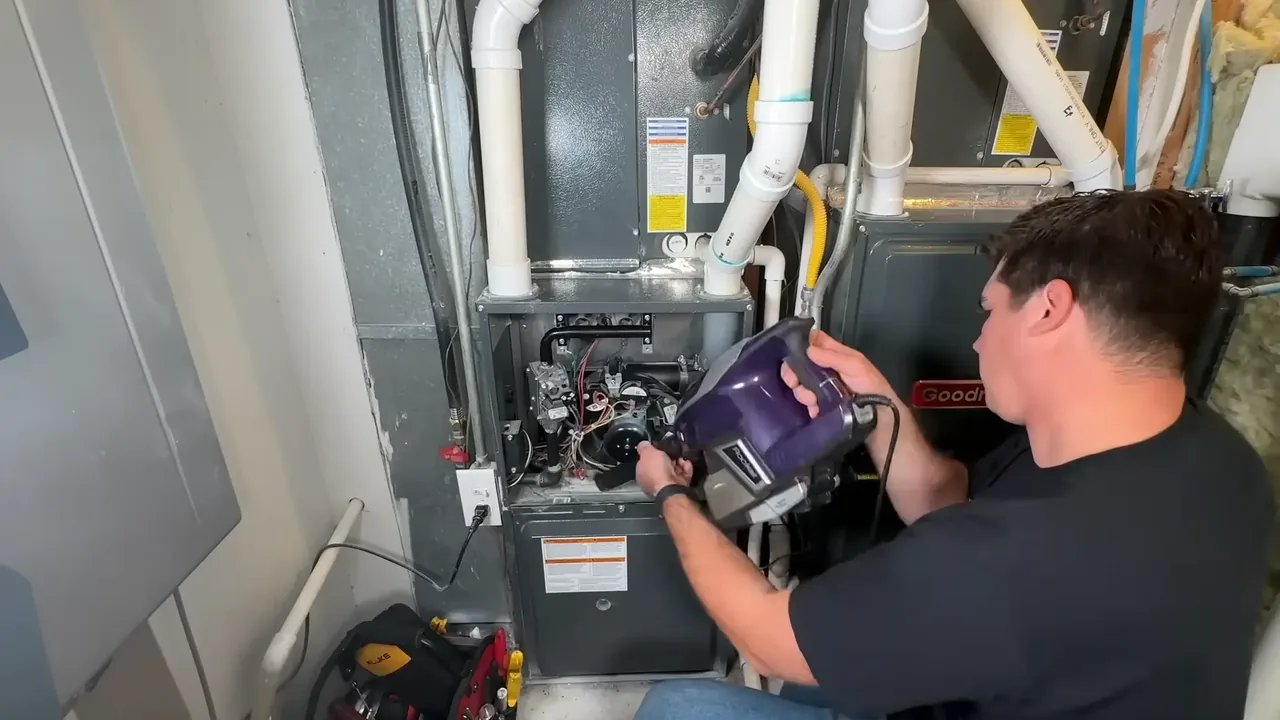
Gas and propane
Clicking with no flame, a flame that goes out after a few seconds, a pilot that won't stay lit, or a yellow flame.
A gas furnace burns fuel to make heat, and an electric furnace uses heating elements, so they fail in different ways. Gas units can have ignitor, flame sensor and pilot problems.
Electric units can have element, relay and breaker problems. Knowing which you own helps you describe the problem and decide who to call.
By Beaumont Furnace Fix · Updated October 14, 2026 · 5-minute read
Beaumont Furnace Fix is a locally owned and operated furnace repair company based in Beaumont, California, serving Beaumont and nearby towns. Call us for furnace repair, tune-ups and replacement.
Not sure what your furnace runs on? Check the label inside the door, or look for a gas line and a vent pipe. An electric furnace has no burner area and no flue.
| Natural gas | Propane | Electric | |
|---|---|---|---|
| How it makes heat | Burns gas at burners | Burns propane at burners | Heating elements glow like a toaster |
| Where the fuel comes from | SoCalGas line | A tank and a supplier | Your electric panel |
| Needs a vent or flue | Yes | Yes | No |
| Parts that often fail | Ignitor, flame sensor, gas valve | Same as gas, plus tank and regulator issues | Elements, relays, sequencer, breaker |
| Carbon monoxide risk | Yes, from a bad vent or cracked heat exchanger | Yes, same as gas | None from the furnace itself |
| Call first if the fuel seems out | SoCalGas | Your propane supplier | Check the breaker |
See our pages on gas and propane furnace repair and electric furnace repair for the full symptom charts. A heat pump is a third kind of system, and it works differently from both.
The symptom often points to the type. A furnace that clicks and never lights is almost always a fuel-burning type. Lukewarm air with a working fan is a classic electric sign.
Clicking with no flame, a flame that goes out after a few seconds, a pilot that won't stay lit, or a yellow flame.
Lukewarm air, a breaker that trips again and again, or no heat while the fan still runs.
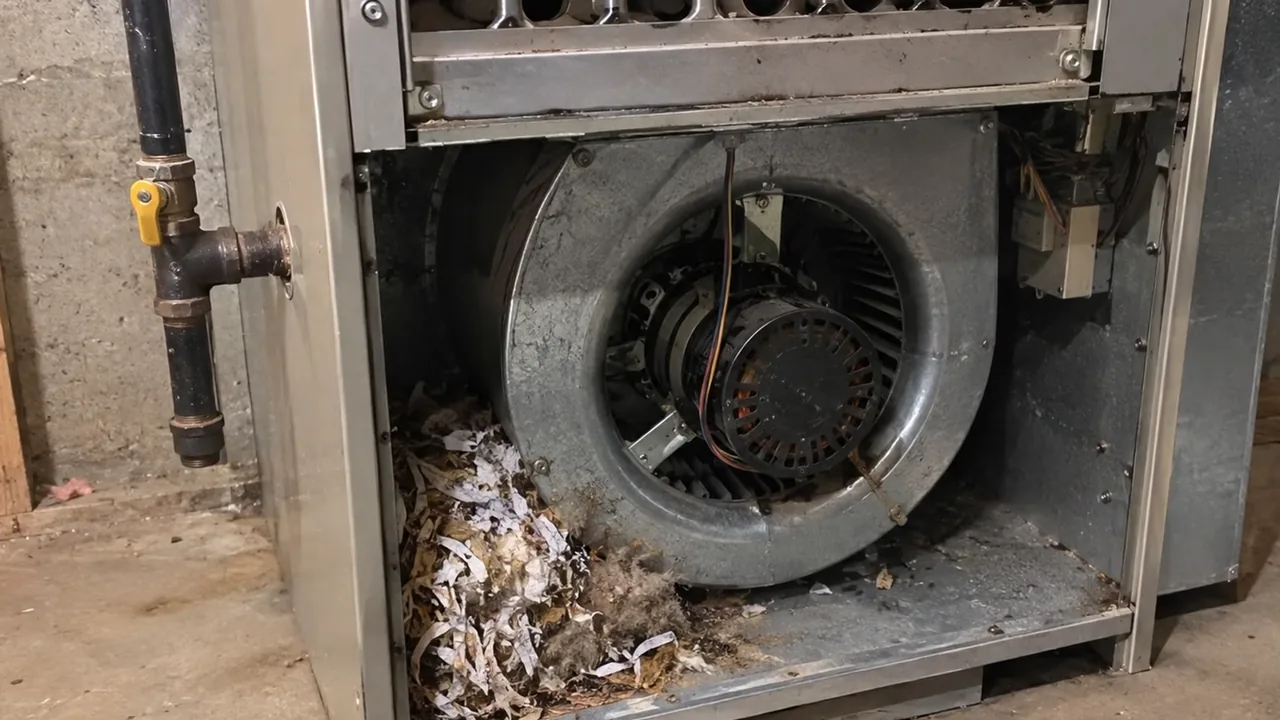
A blower that hums, squeals or won't start, weak airflow, or a dirty filter that makes it shut off.
Many mobile homes in the area use electric furnaces, and some homes in Cherry Valley use propane. Whichever you have, tell your technician when you call.
Read about furnace ignitor repair or blower motor repair if the symptom matches.
The first call depends on the problem, not just the type of furnace.
| Problem | Call first |
|---|---|
| Gas smell or hissing, gas or propane | 911, and SoCalGas or your propane supplier, from outside |
| CO alarm going off | 911, get outside |
| Burning-plastic smell or hot electrical panel | Turn the furnace off if it's safe, and call 911 if you see smoke |
| Tank looks empty | Your propane supplier |
| No heat, no danger signs | A heating contractor. Ask whether they work on your type |
Check any contractor's license at cslb.ca.gov. For gas safety, see SoCalGas. If it feels like an emergency, read emergency furnace repair first. You can also read about propane as a fuel.
A gas furnace burns fuel at burners, and an electric furnace heats air with electric elements. That's why gas units have ignitors, flame sensors and vents, and electric units don't.
Gas furnaces carry a carbon monoxide risk from a bad vent or cracked heat exchanger. Electric furnaces don't burn anything, but breakers and elements can fail.
Check the label inside the furnace door, and look for a gas line or a vent pipe. A vent pipe and burner area mean gas or propane.
A propane tank outside means propane. No vent and no burner area usually means electric.
The label also lists the model number, which helps a contractor know what parts to look for.
Neither is always better. It depends on age, upkeep and how hard the furnace works. Gas and propane units have more parts that can wear, like ignitors and flame sensors.
Electric units have fewer moving parts, but elements and relays fail too. A yearly tune-up and a clean filter help any type last longer.
Call your propane supplier first, not a heating contractor. Running out of fuel is the most common reason a propane furnace stops.
If you smell gas or hear hissing, leave the house and call 911 first. Only qualified people should relight or adjust propane equipment, so wait for the supplier to check the system.
Often yes, but it's a bigger job than a straight swap. Switching can mean electrical upgrades, new ductwork changes and permits.
A heat pump heats and cools, but it may not suit every home. Ask for a written proposal, verify the installer's license, and confirm who handles the permit before you sign.