Heating elements
The coils that make the heat. Most furnaces have two to four.
Electric heat blowing lukewarm air again? Call Beaumont Furnace Fix. We'll take it from there. One call. No forms.
Beaumont Furnace Fix is a locally owned and operated furnace repair company based in Beaumont, California, serving Beaumont and nearby towns. Call us for furnace repair, tune-ups and replacement.
Last updated October 15, 2026. Sources are linked on this page.
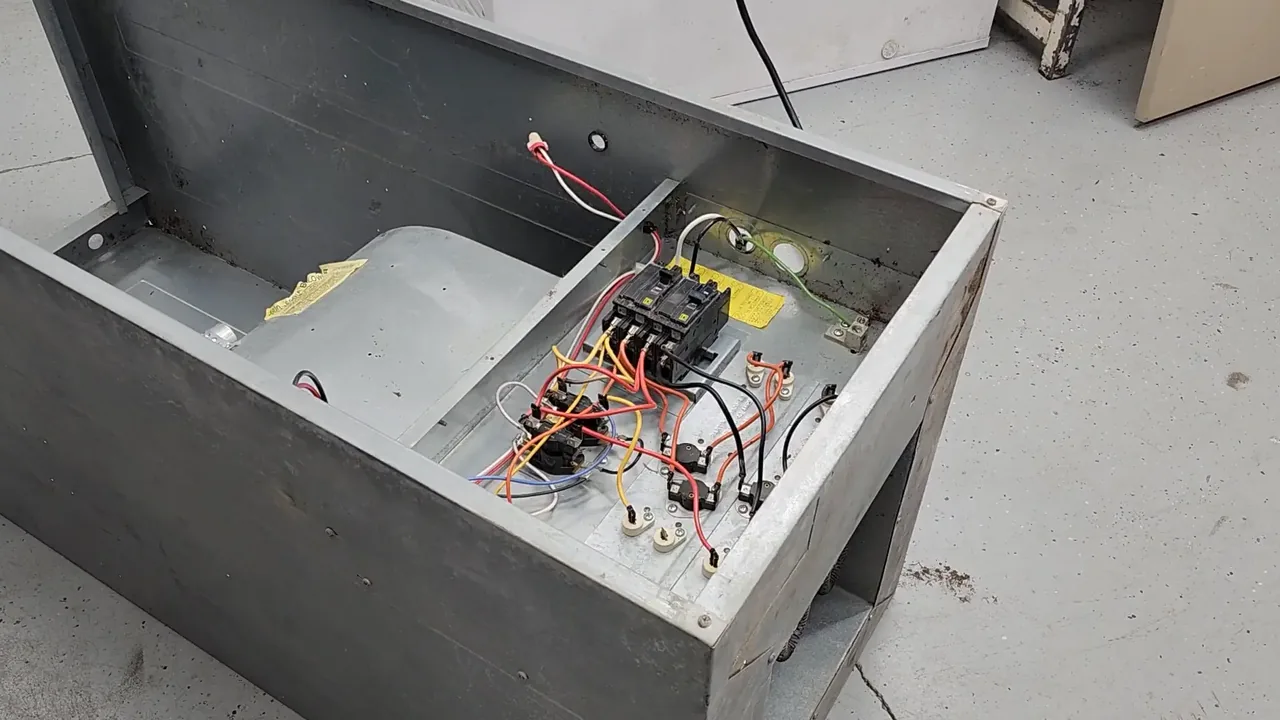
An electric furnace has no burners, no igniter, no pilot light and no heat exchanger. Instead, it has heating elements, which are coils of wire that glow hot like a toaster.
The blower motor pushes air across them and through your ductwork. If the fan is the part acting up, see blower motor repair, since electric furnaces use the same kind of fan.
The elements don't all turn on at once. Small switches called sequencers bring them on one by one so the breaker doesn't overload.
That's why a furnace with one dead element still runs. It just blows air that feels warm, not hot.
The coils that make the heat. Most furnaces have two to four.
Turn the elements on in stages, one after another.
Shut an element off if it gets too hot, often because of poor airflow.
Moves air across the elements and out through the vents.
Turn high voltage into the low-voltage signal the thermostat uses.
Tells the furnace when to heat. Some also control backup heat stages.
Electric furnaces fail differently from gas ones. There's no flame sensor or gas valve to worry about.
Most problems come down to an element, a switch or airflow. An electric furnace not heating at all usually points to power: the breaker, the transformer or the thermostat.
Knowing which part failed makes electric furnace repair easier to talk through.
| What you notice | Usual culprit | How soon to call |
|---|---|---|
| Air feels lukewarm, not hot | One element or sequencer has failed | Book soon |
| Breaker trips when the heat kicks on | A shorted element, loose wire or failing motor | Stop resetting, call |
| Blower runs, but the air is cold | Several elements out, or a tripped limit switch | Call soon |
| Nothing runs at all | Breaker, transformer, thermostat or control board | Call soon |
| Burning smell after the first day | Dust on an element, or a wire overheating | Turn it off, call |
| Heat shuts off and on all day (short cycling) | Airflow problem tripping a limit switch | Call soon |
Breaker keeps tripping? Don't keep flipping it back. A breaker trips to stop wires from overheating.
Resetting it again and again can damage the furnace or start a fire. Reset it once. If it trips again, leave it off and call.
Reset a tripped breaker once, and only if there's no burning smell, smoke, heat at the panel or visible damage. If it trips again, leave it off and call a qualified heating or electrical pro. Repeated resets can hide an electrical fault.
| Don't do this | Why |
|---|---|
| Open the electrical panel | Live parts inside can cause serious shock. |
| Touch damaged or hot wiring | Treat melted or scorched wires as live. |
| Use extension cords or portable heaters as your main heat | They overload circuits and start fires. |
Burning plastic, smoke, sparks or a hot panel? Turn the furnace off if it's safe to reach and call 911 if you see smoke or fire.
There are more than a dozen mobile home communities in and around Banning, plus more in Beaumont itself. Many of these homes use a downflow electric furnace tucked in a hallway closet.
Air goes down through the floor ducts instead of up through the ceiling. A mobile home furnace is often a different size and style, and manufactured housing follows its own build rules.
Mobile home furnaces have their own models and parts. Some older units from the 1970s and 1980s have parts that are hard to find now.
When that happens, a pro may suggest a newer furnace made for manufactured homes. Some homes switch to a heat pump instead.
Many manufactured homes use furnaces built for that setup, so a swap isn't always a simple match. Replacement equipment has to fit the home and the install.
Ask your technician to confirm they work on manufactured-home equipment before they come out. Floor ducts and the duct "belly" under the home can also need a look, on top of the furnace itself.
They look alike from the outside, but they work differently. Not sure which one you have?
Look outside. A heat pump has an outdoor unit that runs in winter too.
An electric furnace has nothing outside, or only an AC unit that sits quiet all winter. A heat pump moves heat instead of making it, which is why it counts as a different system.
Many heat pumps have a backup called auxiliary or emergency heat. That backup is basically an electric furnace inside the air handler.
If your bills jump and the thermostat says AUX all the time, the heat pump itself may need help.
Bills creeping up this winter? Electric heat uses a lot of power.
In Beaumont, homes are on Southern California Edison. Banning runs its own city electric utility.
A fall furnace tune-up helps spot loose wires. If repairs keep stacking up, read about furnace replacement or compare options in our gas vs. electric guide.
Either way, a struggling furnace can make bills climb fast. A dirty filter makes the elements run longer.
A broken element makes the others work harder. Leaky ductwork heats your attic or crawl space instead of your rooms. Fixing airflow first is often the easiest win.
| Where heat slips away | What you notice | First step |
|---|---|---|
| Torn belly or loose floor duct | Warm air under the home, cold rooms above | Have the pro check the belly and duct joints |
| Dirty filter behind the door grille | Elements cycle off, air turns lukewarm | Change the filter |
| One element burned out | Air is warm, never hot | Call to test elements |
| Heat pump stuck on backup heat | Thermostat shows AUX almost all day | Call about the heat pump |
Space heating is the biggest single use of energy in U.S. homes, so small leaks show up fast on the bill. On a mobile home, the ducts run through the belly under the floor.
A torn belly or a loose duct can blow heat straight into the crawl space. Have the pro check the ducts before blaming the elements.
Electric furnaces are simpler than gas ones, but a few details still matter.
Don't open an electrical panel or handle damaged wiring. Turn the furnace off and call 911 if you see smoke or sparks.
Usually because one or more heating elements aren't turning on. A failed element, sequencer or relay means the furnace runs on part of its heat.
A dirty filter can also trip a limit switch and shut elements off. Change the filter first.
If the air is still lukewarm after a few minutes, call a pro to test each element.
A breaker trips to protect the wiring. A shorted heating element, a loose or burned wire, or a failing blower motor are common causes.
Reset it once. If it trips again, leave it off and call.
Resetting it over and over can damage the furnace or start a fire inside the cabinet or the panel.
No. An electric furnace burns no fuel, so it makes no carbon monoxide.
But if your home also has a gas water heater, gas stove, fireplace or attached garage, you still need working CO alarms. California has required them in most of those homes since 2011. Test them monthly, like smoke alarms.
Yes, though less than a gas furnace. A yearly check tightens electrical connections, tests the elements and sequencers, checks the blower motor and confirms good airflow.
Loose connections are a common cause of burned wires, so catching them early matters. Change the filter every month or two in winter. See our tune-up page.
Often, yes. Elements, sequencers, limit switches and blower motors can usually be replaced.
Some very old units from the 1970s and 1980s have parts that are no longer made. In that case, a pro may suggest a newer furnace built for manufactured homes, or a heat pump. Ask them to explain both options before you decide.
An electric furnace makes heat; a heat pump moves it. The furnace heats air with hot elements, like a toaster.
A heat pump pulls heat from outdoor air into your home, so it uses much less electricity for the same warmth. Heat pumps have an outdoor unit that runs in winter, plus backup electric heat for very cold nights.
Tell us what the furnace is doing. We'll take it from there.
(234) 567-8911Call now