Fewer surprise breakdowns
Worn igniters and weak capacitors get caught in October, not at 9 p.m. in January.
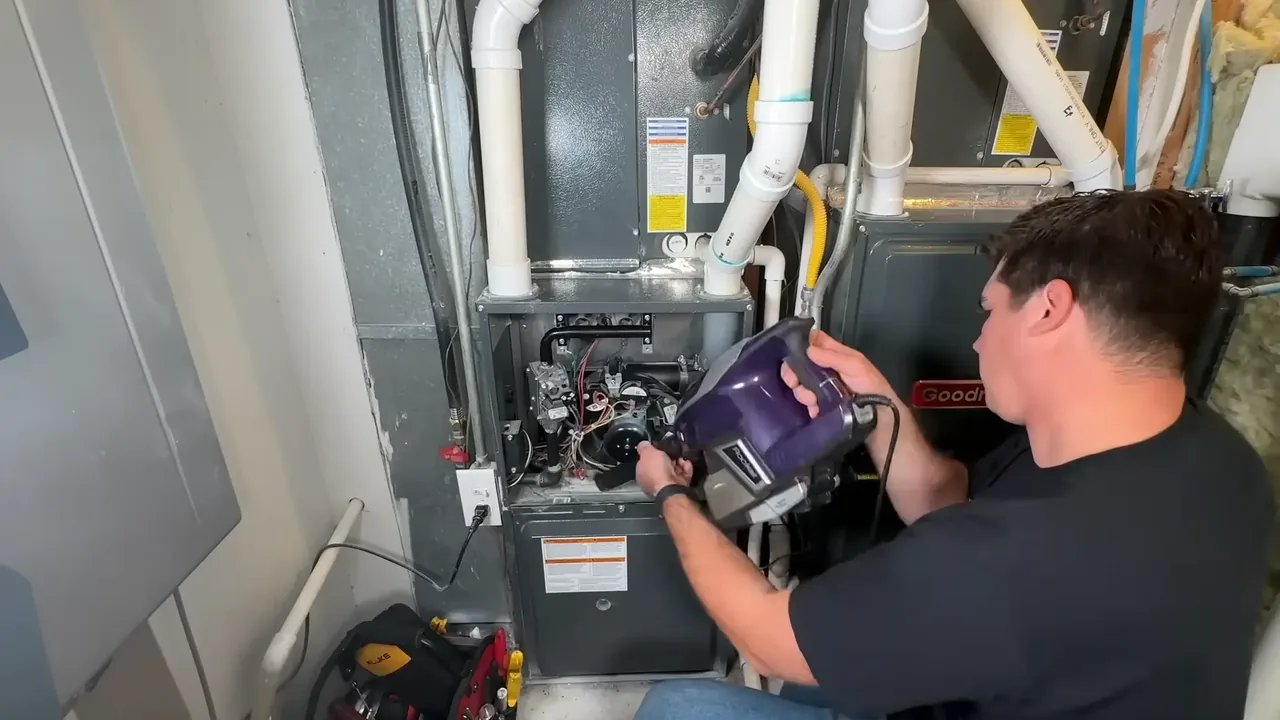
Want your heat to start on the first cold night? Call Beaumont Furnace Fix before winter, and we'll set up your yearly heater tune-up. One call. No forms.
Beaumont Furnace Fix is a locally owned and operated furnace repair company based in Beaumont, California, serving Beaumont and nearby towns. Call us for furnace repair, tune-ups and replacement.
Last updated October 15, 2026. Sources are linked on this page.
From April to October, most Beaumont heaters never run. That's six months for dust to coat the flame sensor and burners.
When November's first cold snap hits, all those small problems show up on the same night, and so do the calls.
Regular furnace maintenance is easier to keep up when you split it into one fall visit and a monthly filter habit.
The wind adds to it. From October into January, Santa Ana winds push fine dust through the San Gorgonio Pass and into return vents. A furnace that starts the season dirty has a harder winter ahead.
Regular furnace maintenance in the fall gets ahead of both. It cleans what summer dust left behind, tests the safety controls and catches worn parts while you still have time to plan.
Worn igniters and weak capacitors get caught in October, not at 9 p.m. in January.
Clean burners and a checked heat exchanger mean less carbon monoxide risk.
Many manufacturer warranties expect yearly maintenance and records. Check your warranty terms, since requirements vary by brand and model.
Good airflow and clean parts prevent short cycling and help a furnace reach the high end of 15 to 20 years.
A tune-up should be more than a quick furnace cleaning and a sticker. Ask what's on the list before the visit.
A thorough gas furnace tune-up usually covers these. An annual furnace check also looks at the vent, because the EPA says blocked or leaking flues can release carbon monoxide indoors.
Gas furnaces also get an ignition check, covered on our gas furnace repair page.
Have an electric furnace? Its tune-up looks different. The pro tightens connections and tests the heating elements and sequencers. See electric furnace repair for how those work.
What's usually extra: new filters, replacement parts like ignitors or capacitors, major cleaning, duct or venting repair, and diagnostic work beyond a standard tune-up.
Ask your technician what's included before the visit. Results vary with the equipment's condition.
A dirty furnace still makes heat. It just burns more gas or power to do it, and more of that heat gets lost on the way to your rooms.
Across the country, those small losses add up. Heating is the largest energy use in U.S. homes, and leaky ducts alone can waste a big share of it.
The chart below shows what each skipped step does over a winter.
| What gets skipped | What it does over a winter | What a tune-up does |
|---|---|---|
| Filter left dirty | Chokes airflow, trips the limit switch, overheats the heat exchanger | Checks size and fit, points out a packed filter |
| Dusty flame sensor | Lights for 3 to 4 seconds, then quits, over and over | Cleans it and checks the signal |
| Loose duct joints | Heats the attic or crawl space instead of your rooms | Looks for leaks and crushed runs |
| Dirty burners | Lazy, yellow flame and more carbon monoxide risk | Cleans burners for a steady blue flame |
| Weak capacitor | Blower quits on the coldest night | Tests it before it fails |
The air filter is the one maintenance job most homeowners can handle. A clogged filter chokes airflow.
The furnace runs hot, a safety switch trips, and the heat stops. Ever notice the heat quits right after a windy week?
That's often why. A clean furnace filter is the easiest habit here.
Read how Santa Ana winds affect your furnace for why it matters after big gusts, and use our fall furnace checklist.
| Your situation | How often to check | Tip |
|---|---|---|
| Normal winter weeks | Every month | Change a 1-inch filter every 1 to 3 months |
| After a big Santa Ana wind | Right after it | Dust loads filters fast. Check even if it's new. |
| Pets in the home | Every 2 to 4 weeks | Pet hair clogs filters quicker |
| Remodel or dusty work | Weekly during work | Or turn the system off while sanding |
| Thicker 4 or 5 inch media filter | Every few months | Check the label for the maker's schedule |
Hold the old filter up to a light. If you can't see light through it, swap it. Match the size printed on the frame, and point the arrow toward the furnace.
Most heating pros are honest. Still, a low-priced "special" is sometimes how a sales pitch gets in the door.
A tune-up should find problems, not invent them, and it should never end with pressure to decide on the spot.
Were you told during a tune-up that the heat exchanger is cracked? Ask to see it, then read our furnace inspection guide before you agree to anything.
You never have to decide on a big job during a tune-up visit. A second opinion is normal.
The EPA says duct cleaning isn't needed as routine upkeep. It can help with visible mold, pests or heavy debris. If a tune-up offer bundles it in, ask why your ducts need it.
The CSLB has warned homeowners about cheap check-ups that turn into high-pressure pitches. Most pros are honest. This chart helps you spot the difference fast.
| A real tune-up | A bait "special" | |
|---|---|---|
| Checklist | Written list, shared before the visit | Vague, "we'll take a look" |
| Test tools | Meter, CO reading, a look at the flame | A flashlight and a quick glance |
| Bad news | Shown with a photo, the part or a reading | Told, not shown |
| Timing | Urgent items explained, the rest can wait | "You need to decide today" |
| Heat exchanger claims | Camera view or combustion test | "It's cracked" with no proof |
| Your choice | Time to think and a second opinion | Pressure to sign on the spot |
Do these yourself in September or early October. Then book your fall furnace service. Have an electric furnace? See electric furnace repair for what's different.
Tune-ups vary from one provider to the next. Ask these so there are no surprises.
| Ask | Why it matters |
|---|---|
| What does the visit include? | Compare it with the checklist on this page. |
| When can they come? | Fall is busy, and our schedule fills up. |
| Is there a charge for the visit? | Ask before the visit, not after. |
| What counts as extra? | Filters, parts, major cleaning, and duct or venting work are often separate. |
| Will you ask before any repair? | Nothing should be repaired until you say yes. |
Once a year for most homes. A fall visit in September or October works best in Beaumont, before the Santa Ana winds and the first cold nights.
Older furnaces, and homes with pets or a lot of dust, gain the most from a yearly check. Keep a simple record of each visit with the date and what was done.
A good tune-up cleans the flame sensor and burners and checks the ignitor and heat exchanger.
It also tests the venting and safety controls, checks the blower motor and capacitor, and confirms airflow and thermostat settings.
Ask for the checklist before the visit, since every company's list is a little different from the next.
Yes. New furnaces still collect dust, and many manufacturer warranties expect yearly maintenance.
Skipping it can put that coverage at risk if a part fails later. Newer homes in Sundance and Fairway Canyon also shed construction dust for months, which clogs filters fast. Keep a record of each visit with the date.
Check it every month in winter. Change a standard 1-inch filter every 1 to 3 months.
Check it right after any big Santa Ana wind, even if it's new, because dust from the Pass loads filters fast. Homes with pets often need a change every few weeks. Hold it up to a light to see.
Usually not, and it isn't needed as routine upkeep. The EPA says duct cleaning may help when there's visible mold, pests or heavy debris in the ducts.
If someone recommends it during a tune-up, ask them to show you why your ducts need it. A photo of the inside of a duct is a fair request.
It's usually dust burning off the burners or heat exchanger. The smell should fade within a short while, often in under an hour.
Open a window if it bothers you. If it lingers, smells like burning plastic, or smells like rotten eggs, turn the furnace off and call. Gas smell means leave the house first.
You can do part of it. Change the filter, test your CO alarms, clear space around the furnace and keep vents open.
Leave the burners, gas valve, heat exchanger and electrical parts to a pro. Those need tools like a meter and a CO tester to check safely, and mistakes there can be dangerous.
Tell us what the furnace is doing. We'll take it from there.
(234) 567-8911Call now